


What sparked the overhaul?
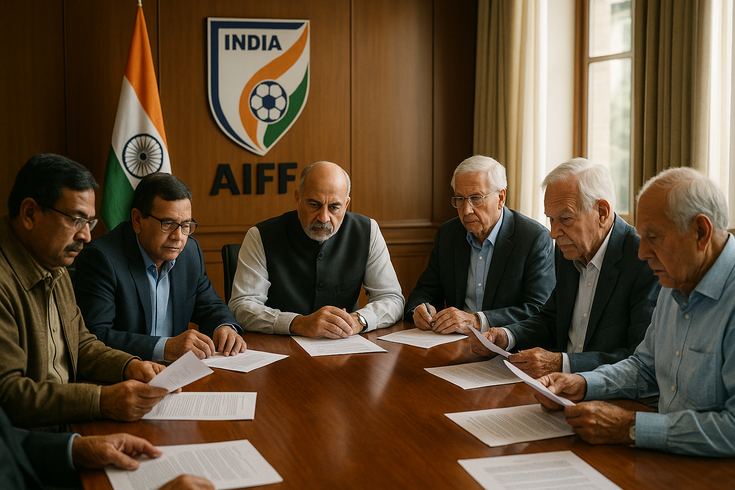
For nearly a decade, the All India Football Federation (AIFF) has been under the judicial microscope. A 2017 Supreme Court directive forced the body to draft a fresh constitution, a task that finally materialised in 2023 when retired Justice L. Nageswara Rao submitted his recommendations. Yet, lingering ambiguities—especially around the dual‑role of officials—kept the court’s patience thin.
The court’s October 15 order
On 15 October 2025, a two‑judge bench led by Justices P S Narasimha and Joymalya Bagchi issued a precise instruction: the AIFF must adopt Articles 25.3(c) and 25.3(d) of its constitution within three weeks. These clauses forbid any member of the AIFF executive committee from simultaneously holding an office‑bearer position in a state or member association. In plain English, you can’t be the head of the national board and the president of a state federation at the same time.
Why those clauses matter
Article 25.3 is more than bureaucratic fine‑print. It tackles the classic conflict‑of‑interest dilemma that has plagued Indian sport bodies for years. When a single individual wears two hats, decisions about funding, tournament scheduling, or player selection can become suspect. By drawing a hard line, the Supreme Court aims to ensure that the AIFF’s top brass act solely in the national interest, without the pull of regional loyalties.
What the court said about the current executives
The bench recognised that a sudden shake‑up could throw the already delayed football calendar into chaos. Consequently, it allowed the sitting executive to finish its term, granting a three‑week window for the constitutional amendment to be formally adopted. The order also clarified that Article 23.3—requiring a Supreme Court nod for any future amendment—does not need to be incorporated at this stage.
AIFF’s response and the new constitution
Within hours of the ruling, the AIFF released a statement confirming that the constitution now mirrors the Supreme Court’s directions and Justice Rao’s framework. The body expressed gratitude to “all stakeholders and contributors” for their patience and cooperation. It also pledged to stay in lockstep with FIFA and AFC statutes, signalling that the changes won’t jeopardise India’s standing in global football governance.
Key takeaways in a nutshell
- Article 25.3(c‑d) bans dual office‑holding between the AIFF executive and state associations.
- The Supreme Court gave the AIFF three weeks to embed these clauses, while letting the current board finish its term.
- Article 23.3, which would have required future Supreme Court approval for amendments, is not being adopted now.
- The constitutional overhaul resolves a legal battle that began in 2017.
- AIFF re‑affirms its commitment to FIFA and AFC regulations.
Implications for Indian football
With the governance glitch addressed, the AIFF can now focus on the sport’s pressing needs: revamping the domestic league structure, accelerating youth development programmes, and preparing the senior team for upcoming Asian Cup qualifiers. Administrators who previously juggled national and state roles will have to choose one path, potentially opening the door for fresh faces in the executive committee. That could inject new ideas and reduce the perception of cronyism that has haunted Indian sport bodies.
Looking ahead
While the constitutional amendment is a milestone, it is not a silver bullet. The AIFF still faces challenges—securing sponsorship, improving infrastructure, and navigating the complex relationship with the Indian Olympic Association. However, the court‑mandated clean‑up offers a sturdier foundation for tackling those issues. Fans, clubs, and players alike can now hope that the governing body will operate with greater transparency and less internal politicking.
In short, the Supreme Court’s decisive intervention and the AIFF’s swift compliance mark the end of a protracted legal saga and the beginning of a new chapter for Indian football governance.

 after a Supreme Court order, ending a years‑long legal saga and reshaping Indian football administration.)