


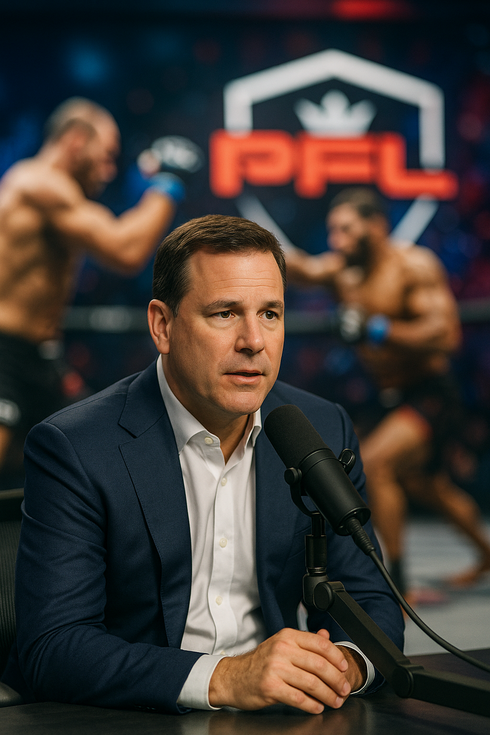
From Turner Boardrooms to the Octagon: John Martin’s PFL Playbook
When you think of a media mogul stepping into the world of mixed martial arts, the image that pops up is usually a suited executive watching fights from a plush balcony, not rolling up his sleeves and getting into the nitty‑gritty of fight‑night logistics. Yet that’s exactly the picture John Martin paints as he settles into his role as the new chief executive of the Professional Fighters League (PFL). The former Turner Broadcasting CEO, who once juggled cable news and sports rights, now finds himself in the middle of a sport that’s as much about storytelling as it is about striking.
Martin sat down with Ariel Helwani for a candid, no‑holds‑barred chat that covered everything from his long‑standing conversations with UFC boss Dana White to the way he plans to shake up the PFL’s format before the 2026 season kicks off. If you’re a fan who’s ever wondered what it takes to run a fight league that isn’t the UFC, his answers are worth a listen.
Why the PFL Needs a Media Veteran
Let’s face it: the UFC has been the undisputed heavyweight of combat sports for years, and its grip on TV contracts, pay‑per‑view numbers and global branding is tighter than a well‑tied kimono belt. Martin’s experience at Turner gave him a front‑row seat to the power of broadcast partnerships, and he’s not shy about using that knowledge to give the PFL a fighting chance.
“The UFC’s control over the market is real, but it also creates an opening for a league that can offer something different,” Martin said. “We’re not trying to be a copycat; we want to be the ‘NBA of MMA’—a place where athletes earn points, compete in a season, and fans can follow a clear storyline.”
His reference to the NBA isn’t just a metaphor. The PFL already runs a season‑style competition with playoffs and a championship, but Martin believes there’s still room to tighten the narrative, make the points system more intuitive, and give broadcasters a package that’s easy to sell.
Re‑Engineering the Fight‑Night Formula
One of the biggest tweaks Martin hinted at involves the way fight nights are structured. Historically, the PFL has stacked its cards with multiple bouts in a single evening, often featuring fighters who have to compete twice in one night during the playoffs. While that format adds drama, it also raises concerns about fighter safety and performance quality.
“We’re looking at a model where each event feels like a marquee showdown, with fewer fights but higher stakes per bout,” he explained. “Think of it as moving from a buffet to a tasting menu—each course gets the attention it deserves.”
That could mean fewer double‑fight nights, a more spaced‑out playoff schedule, and perhaps a shift toward single‑fight eliminators that build anticipation week by week, much like the NFL’s playoff bracket.
Home‑Grown Talent: The Dakota Ditcheva Story
Martin’s love affair with the PFL isn’t just about TV deals; it’s also about nurturing stars from the ground up. He highlighted the meteoric rise of British‑born Dakota Ditcheva, a featherweight who transitioned from kickboxing to MMA and quickly became a fan favorite.
“Dakota embodies the kind of athlete we want to develop—versatile, marketable, and hungry for a legacy,” Martin said. “Our goal is to give her a platform that lets her grow, not just as a fighter, but as a brand.”
He outlined plans for a dedicated “PFL Academy” that would scout talent from regional circuits, provide them with top‑tier coaching, and integrate them into the league’s storyline long before they step into the cage.
The Larissa Pacheco Release: A Lesson in Transparency
In a move that raised eyebrows, the PFL recently released long‑time contender Larissa Pacheco. Martin addressed the decision head‑on, emphasizing that the league’s roster decisions will be guided by performance metrics and marketability, not just seniority.
“It’s tough to let go of a fighter who’s given us so much,” he admitted, “but the sport evolves, and we have to evolve with it. Transparency with the athletes and the fans is key.”
He assured that Pacheco’s exit will be handled with respect, offering her a pathway to other promotions if she wishes to continue her career elsewhere.
ESPN Partnership: A New Broadcast Era
Perhaps the most tantalizing part of Martin’s roadmap is the deepening partnership with ESPN. The network has already aired PFL events, but Martin envisions a multi‑year rights agreement that could see the league featured on ESPN+, ABC, and even the flagship ESPN channel.
“We’re negotiating a deal that puts PFL on prime‑time slots, with cross‑promotion on ESPN’s digital platforms,” he revealed. “The aim is to bring the sport to households that might never have tuned into a fight before.”
He likened the potential deal to what the NBA did with Turner in the 1990s, turning a niche sport into a mainstream staple. “If we can get a Friday night primetime slot, we’ll have the same cultural impact as March Madness, but for combat sports.”
Looking Ahead: The 2026 Media Rights Landscape
While the ESPN talks are still under wraps, Martin hinted that the PFL’s 2026 media rights could be its most lucrative package yet. He mentioned exploring streaming‑only deals, international broadcast partners, and even a possible “fight‑league‑as‑a‑service” model where other promotions could license PFL’s season format.
“We’re not just selling fights; we’re selling a product—a season, a narrative, a community,” he said. “The media world is changing fast, and we want to be at the forefront, not trailing behind.”
What This Means for Fans and Fighters
For the average fan, Martin’s vision translates into clearer storylines, more accessible broadcasts, and a chance to see rising stars like Dakota Ditcheva get the spotlight they deserve. For fighters, it promises a more stable schedule, better safety protocols, and a clearer path to stardom without having to jump ship to the UFC.
“We want fighters to feel like they’re part of a team, not just a roster,” Martin emphasized. “When you have a season, you have a purpose beyond the next paycheck.”
Final Thoughts: A New Chapter for the PFL
John Martin’s transition from cable television to the cage may seem like an odd pairing, but his track record suggests he knows how to turn niche content into mainstream gold. With a revamped fight‑night format, a focus on home‑grown talent, a bold ESPN partnership, and a clear eye on 2026 media rights, the PFL could be gearing up for its most exciting chapter yet.
So, will the league finally break the UFC’s stranglehold on MMA viewership? Only time will tell, but if Martin’s roadmap is any indication, the next few years could be a wild ride for fighters, fans, and anyone who loves a good underdog story.

