


Taking Stock of the Year’s Biggest Political Slip‑ups
Every December, as the holiday lights start twinkling, we get the urge to tally up the political turkey‑candidates that flopped harder than a bad soufflé. New Jersey isn’t immune to the occasional face‑plant, and 2025 handed us a platter full of them. From courtroom dramas to ill‑timed pronouncements, the Garden State’s leaders have provided plenty of material for the year‑end ‘what‑were‑they‑thinking?’ list.
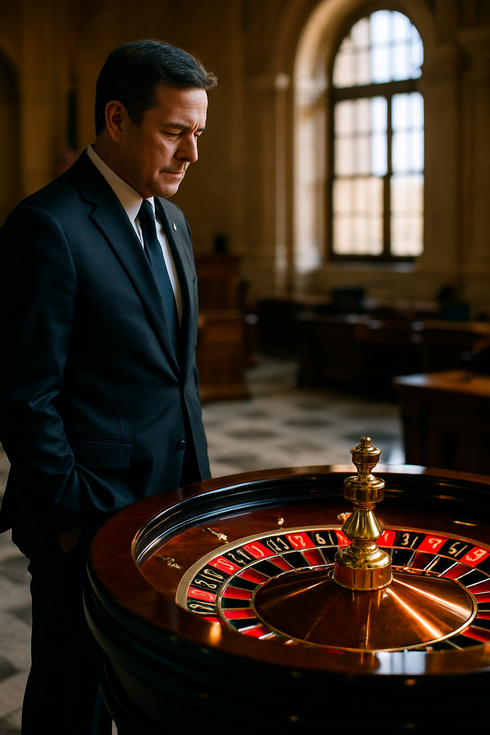
While the list could stretch on forever, one episode stands out like a neon sign in Atlantic City: former senator and Knicks legend Bill Bradley’s stark warning that the 2018 Supreme Court decision on sports betting would turn every athlete into a ‘roulette chip.’ That metaphor has since become a shorthand for the unintended fallout of legalizing wagering on the very games that once seemed sacrosanct.
Bradley’s Prophetic Warning: From Courtroom to Court‑side
Back in 2018, the Supreme Court struck down the federal ban on sports betting, opening the floodgates for states to set their own rules. Bradley, a former U.S. senator from New Jersey and a Hall‑of‑Fame basketball star, sounded the alarm then, fearing the decision would erode public trust in sports by treating athletes like pieces on a gambling board.
Fast forward to 2025, and his words feel less like a cautionary tale and more like a reality check. With betting apps now as common as coffee shops, the line between fan enthusiasm and financial speculation has blurred. Players, from college rookies to seasoned pros, find themselves under a microscope not just for performance but for how their stats translate into betting odds.
Why the Supreme Court Ruling Still Matters
The 2018 decision didn’t just legalize betting; it handed states a lucrative new revenue stream. New Jersey was quick to jump on the bandwagon, licensing dozens of operators and rolling out mobile platforms that let anyone with a smartphone place a wager on a Knicks game or a Rutgers football matchup.
But the money‑making potential came with a price. When every pass, foul, or missed free throw can shift millions of dollars, the pressure on athletes intensifies. Fans who once cheered for the love of the game now watch with a calculator in mind, and that shift can subtly influence how players approach high‑stakes moments.
The Ripple Effect on College and Pro Sports
College athletics, traditionally insulated from professional gambling, have felt the tremors. The NCAA, already wrestling with its own betting policies, now has to contend with state‑run sportsbooks that can legally accept bets on amateur games. A single controversial call in a high‑profile college football game can spark a frenzy of betting activity, prompting investigations and, sometimes, harsh penalties.
On the pro side, leagues have doubled down on integrity units, deploying sophisticated monitoring software to flag irregular betting patterns. Yet the sheer volume of wagers makes it a game of whack‑a‑mole—catch one anomaly, and ten more pop up elsewhere. The result? A constant state of vigilance that can distract from the pure sport.
Other Notable Gaffes That Joined the Turkey Parade
Bradley’s warning wasn’t the only misstep that made headlines. Here’s a quick rundown of a few other 2025 moments that left New Jersey voters scratching their heads:
- Tenafly council controversy: The former council president and his son saw their legal releases revoked by a judge after a heated courtroom showdown that seemed straight out of a reality TV drama.
- Mis‑timed budget announcements: A late‑night budget proposal that omitted critical funding for local schools sparked backlash from parents and teachers, forcing a rushed amendment.
- Social media slip‑ups: Several state officials posted off‑the‑cuff comments about upcoming elections that were quickly retracted, fueling speculation about internal party rifts.
Each of these episodes, while distinct, shares a common thread: a failure to anticipate the public’s reaction or the broader implications of a seemingly isolated decision.
What This Means for Voters and the Betting Industry
For the average New Jerseyan, the intersection of politics and gambling can feel like navigating a maze blindfolded. On one hand, the state enjoys a boost in tax revenue that helps fund infrastructure projects and education initiatives. On the other, the specter of athletes being reduced to betting odds raises ethical concerns that many feel aren’t being addressed quickly enough.
Voters are now more likely to ask hard‑ball questions at town halls: “How do we protect the integrity of our sports?” and “What safeguards are in place to prevent gambling‑related corruption?” Politicians, in turn, are being forced to craft more nuanced policies—balancing the lure of revenue with the need for robust oversight.
A Glimpse at the Road Ahead
Looking forward, several trends are likely to shape the conversation:
- Enhanced monitoring technology: Expect leagues and betting operators to invest in AI‑driven analytics that can spot suspicious betting spikes in real time.
- Stricter state regulations: New Jersey may tighten licensing requirements for sportsbooks, especially those that offer in‑play betting on college games.
- Player education programs: Teams could roll out workshops to help athletes understand the betting landscape and how to protect themselves from undue influence.
And, of course, we’ll keep an eye on any new political turkey moments that pop up—because, let’s face it, every year seems to bring its own set of feather‑ruffling incidents.
Bottom Line: Stay Informed, Stay Skeptical
Whether you’re a die‑hard sports fan, a casual bettor, or just someone who enjoys a good political drama, 2025 reminded us that the lines between entertainment, finance, and governance are thinner than ever. Bradley’s ‘roulette chip’ metaphor may have sounded dramatic back then, but it now serves as a useful yardstick for measuring how far we’ve let gambling seep into the fabric of our beloved games.
So, as the holidays approach and we tuck into turkey, let’s also chew on the lessons from this year’s political misfires. After all, a well‑seasoned electorate is the best antidote to any future turkey‑filled fiasco.

