


What’s on the drawing board?
In the heart of east Bristol, the derelict Mecca Bingo building on Barrow Road is slated for a massive makeover. After years of sitting idle – first as a bustling bingo venue, then a short‑lived gym – the site is about to welcome almost four hundred new homes. The proposal, put forward by Galliard Apsley Partnership, envisions three high‑rise blocks and two rows of low‑rise terraces, altogether delivering 390 apartments.
From bingo hall to high‑rise blocks
The masterplan splits the development into three towers of varying heights. The tallest will climb from nine to sixteen storeys, housing 168 flats. Two smaller towers will rise eight and nine storeys, offering 91 and 117 units respectively. Flanking these are two terraced sections – one with six houses, the other with eight – that will sit at two storeys tall, giving a human‑scale finish to the streetscape.
Who will live there?
All 390 units are slated as build‑to‑rent, meaning a professional management company will handle tenancy. Only ten percent – roughly 39 homes – are earmarked as affordable. The affordable mix includes one‑bedroom apartments capped at 64% of market rent and two‑bedroom units at 61%, allocated through the council’s HomeChoice system. The rest will command market rates, aiming to attract young professionals and downsizers drawn to the proximity of the Bristol‑Bath railway path.
Community concerns and objections
The scheme has not sailed through without turbulence. Over the past two years, local residents have lodged 113 objections, voicing worries about parking pressure, strain on schools and health services, and the visual impact of a sixteen‑storey tower looming over the neighbourhood. Some fear the new development could exacerbate anti‑social behaviour, while others argue it might actually bring a safer, more vibrant streetscape.
What the council says
Planning officers have weighed the pros and cons and concluded that any moderate negative impacts are outweighed by the benefits. They highlight the urgent need for housing in Bristol, the regeneration of a brownfield site, and the potential for improved pedestrian and cycling links. The developers have also pledged a £150,000 contribution toward the Old Market Quietway project, a set of walking and cycling upgrades that could knit the new estate more tightly into the existing network.
Financial and social upside
Beyond the housing units, the redevelopment promises a handful of ancillary gains. The inclusion of 24‑hour site management is expected to deter anti‑social activity and make the area feel safer for existing residents. The new homes will also generate a steady stream of rental income, bolstering the local economy. Moreover, the project’s contribution to the Quietway scheme could encourage more residents to ditch the car, easing traffic congestion on the nearby St Philips Causeway flyover.
Timeline and next steps
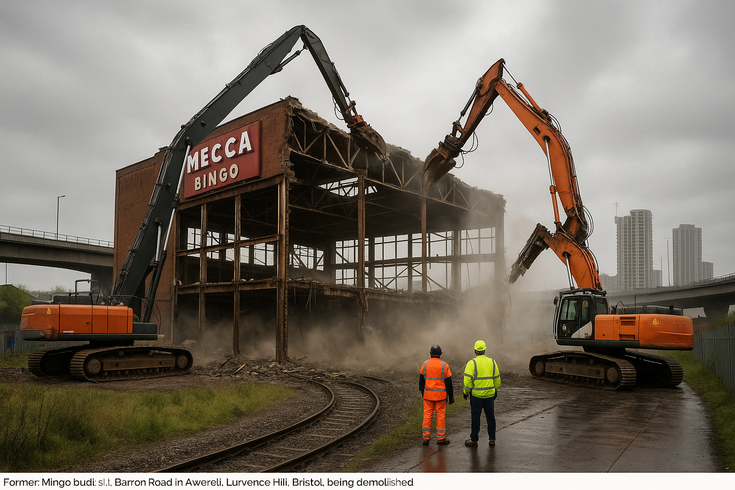
Councilors are set to convene on 17 December to cast the final vote. If approved, demolition of the bingo hall and former PureGym structures will commence early next year, followed by ground‑breaking for the first tower. The developers estimate a construction period of roughly three years, meaning the first residents could move in by 2028.
Why this matters for Bristol’s housing crunch
Bristol’s housing market has been under pressure for years, with demand outstripping supply and rents soaring. Adding 390 units – even if most are market‑rate – chips away at the deficit and could ease some of the pressure on private landlords. The affordable component, while modest, still adds valuable options for households that might otherwise be priced out of the city.
Local voices: hope and hesitation
Long‑time Lawrence Hill resident Sarah Miller says, ‘I’m glad something is finally happening on that empty lot, but I worry about the scale of the towers.’ Meanwhile, a young professional from the nearby university, James Patel, welcomes the prospect of modern rentals close to the railway path, noting, ‘It could be a game‑changer for students and early‑career folks who need good transport links.’ The debate reflects a broader tension in many UK cities: balancing growth with preserving neighbourhood character.
What’s next for the site?
If the council gives the green light, the demolition crew will start tearing down the skeletal remains of the old bingo hall, making way for cranes, concrete, and eventually the sleek glass façades of the new towers. The development will sit beside the bustling Bristol‑Bath railway path, offering future residents easy access to cycling routes that stretch all the way to Bath. With the Quietway upgrades in the pipeline, the area could become a model of sustainable urban living – if the promises hold true.
All eyes will be on the 17 December meeting. Whether the plan sails through or hits another snag, the former bingo hall’s fate is a litmus test for how Bristol tackles its housing shortage while trying to keep the soul of its historic neighbourhoods intact.

