


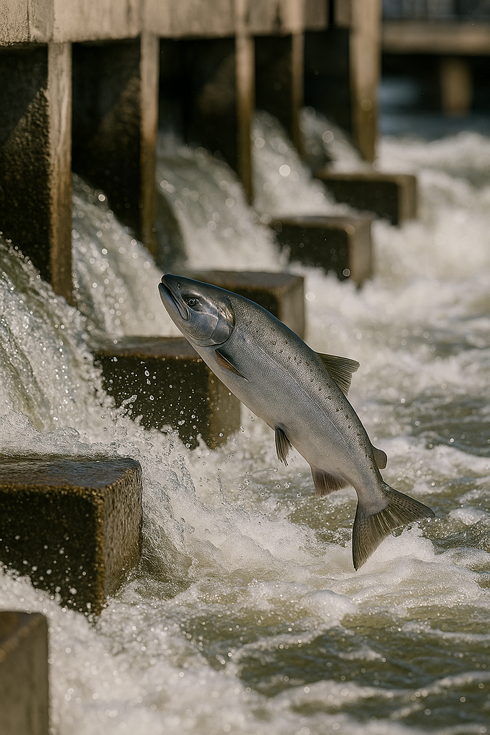
Imagine a sleek, silver‑backed Chinook salmon fighting its way up a concrete staircase, water splashing around its sleek body as it darts toward the unknown. That’s exactly what happened on September 24th at Keno Dam, a modest but crucial barrier on the upper Klamath River southwest of Klamath Falls. A single salmon, captured on video by the Oregon Department of Fish and Wildlife (ODFW), managed to climb the dam’s fish ladder – a feat that marks the furthest upstream passage recorded since the removal of four massive hydroelectric dams downstream.
Why This One Fish Matters More Than It Looks
For more than a century, the Klamath River’s lower stretches were choked by the J.C. Boyle, Copco 1, Copco 2, and Iron Gate dams. Those structures turned a thriving salmon highway into a dead‑end, keeping ocean‑bound fish from reaching their historic spawning grounds in the upper basin. When those four giants were finally taken down in 2024, it was a watershed moment for the region’s ecology – literally and figuratively.
But the story didn’t end with the demolition. Upstream, Keno Dam and its neighbor, Link River Dam, still stand, primarily serving irrigation and flood‑control needs. Their presence means that salmon must still navigate engineered fish ladders to get past them. Until now, the biggest success story was that more than 500 adult fall Chinook were spotted below Keno Dam in 2024. The new video shows a salmon actually making the leap past Keno’s ladder, a clear sign that the fish are testing the waters above the dam for the first time in a generation.
From Riverbed to Reel: The Road to Recovery
The Klamath’s saga is a textbook case of how human infrastructure can both cripple and, with the right fixes, revive a river system. After the lower‑dam removals, scientists saw a surge of salmon returning to the river’s lower reaches. Spawning beds that had lain dormant for decades suddenly buzzed with activity. Yet the upper basin – home to the river’s most prized spawning habitat – remained out of reach.
“Salmon are reminding us of their resilience, showing up where they haven’t been for over a hundred years,” said Phil Milburn, ODFW’s watershed manager, in a press release. “Seeing them navigate this key obstacle gives us a fresh burst of optimism.” His words capture a mix of awe and practical concern: the fish can get past Keno Dam, but the journey ahead is still a marathon.
The Technical Hurdles: Fish Ladders Aren’t Magic
Fish ladders are clever pieces of engineering – essentially a series of stepped pools that let fish “walk” upstream past a barrier. But they’re not a perfect solution. The ODFW notes that both Keno and Link River dams need upgrades to meet Oregon’s high standards for fish passage. The current ladders work, but they’re not yet optimized for the volume and vigor of the returning Chinook.
Improving these structures involves collaboration with the Bureau of Reclamation, which operates the dams, and a host of tribal and environmental partners. The goal is to boost the ladders’ capacity, reduce stress on the fish, and ensure that enough individuals make it to the historic spawning grounds in Upper Klamath Lake and its tributaries.
Beyond the Ladder: The Next Obstacles
Even after a salmon clears Keno’s ladder, it still faces a gauntlet of challenges. First up is Link River Dam, sitting at the outlet of Upper Klamath Lake. Then comes the lake itself – a shallow, nutrient‑rich body of water that can turn murky in the summer and host unscreened water diversions that snag fish.
“Upper Klamath Lake’s water quality can be a tough nut to crack, especially during low‑flow periods,” the ODFW explained. “The lake’s shallow zones, combined with occasional algal blooms, make it a less than ideal corridor for salmon navigating toward their spawning streams.”
Once past the lake, the fish must find suitable streams among the hundreds that feed into the basin, locate a mate, and lay eggs in gravel beds that have been altered by decades of sediment buildup and water management. It’s a high‑stakes trek that tests every ounce of the salmon’s stamina and instinct.
What This Means for Anglers and Communities
For now, all salmon fishing remains closed on the Oregon side of the Klamath River. The decision is a precautionary measure to let the population rebuild without added pressure. Even tributaries like Spencer Creek have shut their doors a month early, ending on September 30 instead of the usual October 31, to protect the newly arriving spawners.
Local tribes, who have long relied on the river’s bounty for cultural and subsistence purposes, are watching the developments with cautious optimism. The return of Chinook could revitalize traditional fisheries, boost eco‑tourism, and restore a sense of ecological balance that’s been missing for generations.
Looking Ahead: A Blueprint for River Restoration
The Klamath River’s comeback story is still being written, but the salmon’s ladder climb is a compelling chapter. It underscores how large‑scale dam removal can open doors, but also how smaller, still‑operating barriers need fine‑tuning to fully unlock a river’s potential.
Future steps include:
- Upgrading the Keno and Link River fish ladders to increase throughput and reduce fish stress.
- Implementing water quality improvements in Upper Klamath Lake, such as aeration and nutrient management.
- Installing screening on water diversions to prevent accidental fish mortality.
- Continuing to monitor salmon numbers with sonar and tagging studies to track their progress upstream.
All of these actions hinge on sustained funding, inter‑agency cooperation, and the patience of a species that takes years to rebound. But if a single Chinook can make it this far, the odds are that many more will follow, eventually filling the river’s historic spawning grounds once again.
Why It All Matters
Salmon are more than just a fish; they’re a keystone species. Their life cycle pumps nutrients from the ocean into freshwater ecosystems, supporting everything from insects to bears. A thriving salmon run can revitalize riparian vegetation, improve water quality, and even bolster local economies through sport fishing and tourism.
In short, the sight of that silver flash climbing the ladder is a reminder that nature can heal when we give it a chance – and that the work isn’t done until the whole river, from source to sea, is humming with life.

