


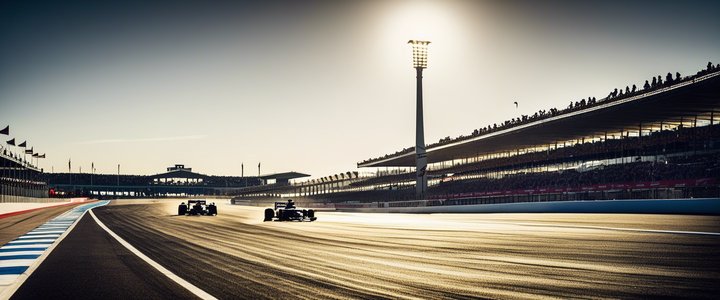
Imagine a racing circuit that combines the thrill of high-speed straights with the challenge of technical turns, all set against the vibrant backdrop of Madrid, Spain. Welcome to the Madring F1 circuit, the latest addition to the Formula 1 calendar, set to host the Spanish Grand Prix from 2026. This exciting new circuit promises to bring a fresh wave of enthusiasm to the motorsport world, and we’re here to dive into its design, features, and what it means for the future of racing.
Located on the outskirts of Madrid, the Madring F1 circuit is a 5.4-kilometer track with 22 turns, designed to push drivers to their limits. With a 589-meter straight, the second longest of the layout, and a steep right-hand banking called La Monumental with a 24% gradient, this circuit is sure to deliver some heart-stopping moments. But what makes the Madring circuit so special, and how will it impact the racing community?
Designing Excellence
The Madring F1 circuit’s design is a masterpiece of modern racing circuit architecture. The track’s layout is a perfect blend of fast sweeps, slow hairpins, and high-speed straights, all designed to test a driver’s skills and strategy. The circuit’s designers have carefully crafted each turn and straight to provide a unique challenge, from the long, sweeping curves to the tight, technical sections. But what really sets the Madring circuit apart is its attention to detail, from the camber of the turns to the texture of the track surface.
One of the most notable features of the circuit is La Monumental, a steep right-hand banking that’s sure to be a favorite among drivers and spectators alike. This challenging section of the track will push drivers to their limits, requiring a perfect balance of speed and control. But La Monumental is just one part of the circuit’s overall design, which has been carefully crafted to provide a thrilling and unpredictable racing experience.
The Technical Side of Things
From a technical perspective, the Madring F1 circuit is a fascinating study in track design. The circuit’s designers have used advanced computer simulations and modeling techniques to optimize the track’s layout and surface. The result is a circuit that’s not only exciting to drive, but also safe and challenging. The track’s surface, for example, has been designed to provide a high level of grip, while also allowing for a range of different racing lines and strategies.
But the Madring circuit’s design isn’t just about the track itself – it’s also about the overall racing experience. The circuit’s designers have carefully considered the needs of drivers, teams, and spectators, from the location of the pit lane to the design of the grandstands. The result is a circuit that’s designed to provide an unforgettable experience for everyone involved.
The Heart of the Circuit
La Monumental, the steep right-hand banking, is the heart of the Madring F1 circuit. This challenging section of the track is sure to be a favorite among drivers and spectators alike, and it’s a key part of what makes the Madring circuit so special. But what makes La Monumental so unique, and how will it impact the racing dynamics of the circuit?
One of the most interesting things about La Monumental is its comparison to other notable banking sections in Formula 1 circuits. The banking at Monza, for example, is famous for its high speeds and challenging cornering, but La Monumental is unique in its own way. The 24% gradient of the banking makes it one of the steepest in Formula 1, and it’s sure to provide a thrilling challenge for drivers.
Banking on Excitement
The banking at La Monumental is just one part of the Madring circuit’s overall design, but it’s a key part of what makes the circuit so exciting. The combination of high-speed corners, slow hairpins, and challenging banking sections makes the Madring circuit a true test of a driver’s skills and strategy. But the circuit’s design isn’t just about the drivers – it’s also about the spectators.
The Madring circuit’s grandstands, for example, have been designed to provide an unforgettable view of the racing action. The circuit’s designers have carefully considered the location and design of the grandstands, from the pit lane to the final corner, to provide a thrilling experience for spectators. And with the circuit’s state-of-the-art facilities and amenities, spectators will be able to enjoy the racing action in comfort and style.
Bringing the Circuit to Life
The construction of the Madring F1 circuit is a complex and challenging process, but it’s an exciting time for motorsport fans in Spain and around the world. The circuit’s designers and builders are working hard to bring the circuit to life, from the initial excavation and grading to the final paving and finishing touches.
The construction process is being led by a team of experienced professionals, including Spanish construction firm ACCIONA and France’s Eiffage Construction. The team is working to a tight deadline, with the inaugural Madrid Formula 1 Grand Prix scheduled for September 2026. But despite the challenges, the team is confident that the circuit will be ready on time, and that it will provide a world-class racing experience for drivers and spectators alike.
A New Era for Spanish Motorsport
The Madring F1 circuit is more than just a new racing circuit – it’s a symbol of a new era for Spanish motorsport. The circuit’s design and construction are a testament to the country’s passion for racing, and its potential to host world-class motorsport events. But what does the future hold for Spanish motorsport, and how will the Madring circuit fit into the broader context of Formula 1’s global calendar?
According to Carlos Sainz, the ambassador for Madring F1, the circuit is a game-changer for Spanish motorsport. “The Madring circuit is a fantastic opportunity for Spanish motorsport to take a big step forward,” he says. “It’s a world-class circuit that will provide a challenging and exciting racing experience for drivers and spectators alike.” But Sainz is not the only one who’s excited about the circuit’s potential – the entire motorsport community is buzzing with anticipation.
The Future of Formula 1 in Spain
The Madring F1 circuit is a key part of the future of Formula 1 in Spain, and it’s an exciting time for motorsport fans in the country. The circuit’s design and construction are a testament to the country’s passion for racing, and its potential to host world-class motorsport events. But what does the future hold for the Madring circuit, and how will it fit into the broader context of Formula 1’s global calendar?
One thing is certain – the Madring F1 circuit is here to stay. With a 10-year contract to host the Spanish Grand Prix, the circuit is set to become a regular fixture on the Formula 1 calendar. And with its unique design and challenging layout, it’s sure to provide a thrilling racing experience for drivers and spectators alike. But the circuit’s impact won’t be limited to just the racing action – it will also have a significant impact on the local economy and community.
The Countdown Begins
The countdown to the inaugural Madrid Formula 1 Grand Prix has begun, and the excitement is building. The Madring F1 circuit is a world-class facility that’s sure to provide a thrilling racing experience for drivers and spectators alike. But it’s not just about the racing action – it’s also about the overall experience. From the grandstands to the paddock, the Madring circuit is designed to provide an unforgettable experience for everyone involved.
So what can we expect from the inaugural Madrid Formula 1 Grand Prix? One thing is certain – it’s going to be an exciting event. The Madring circuit is a challenging and unpredictable track, and the drivers will need to be at the top of their game to succeed. But it’s not just about the drivers – it’s also about the teams, the spectators, and the entire motorsport community. The Madring F1 circuit is a symbol of a new era for Spanish motorsport, and it’s an exciting time to be a part of it.

