


Why this World Cup matters
For the first time since 2014, the men’s and women’s FIH Hockey World Cups will share the same stages, the same dates and even the same crowds. From 15 to 30 August 2026, two neighbouring nations – Belgium and the Netherlands – will host a combined showdown that promises 32 elite squads, a brand‑new competition layout and a side‑event that celebrates diversity in sport.
Where the action will unfold
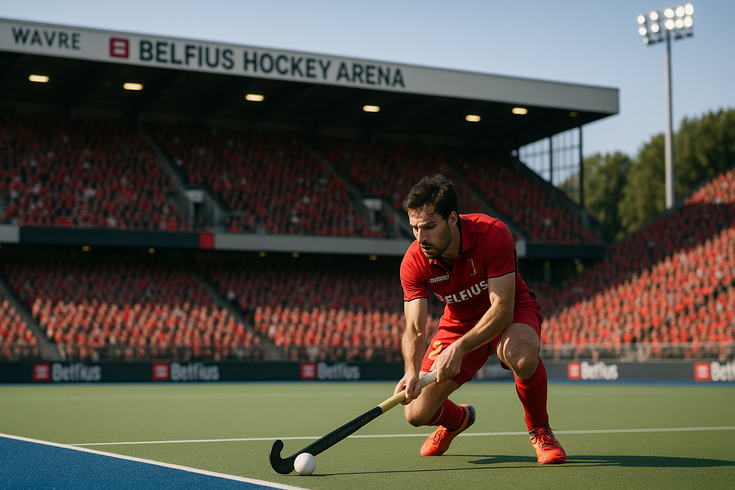
The Belgian leg will be staged at the gleaming Belfius Hockey Arena in Wavre, a purpose‑built stadium that will seat 4,000 permanent fans but swell to 10,000 for the tournament. Across the border, the Dutch side will call the iconic Wagener Stadium in Amsterdam home, temporarily expanded to accommodate a similar crowd size. Both venues will be buzzing with fan zones, live music, food trucks and even Hockey5s exhibitions, turning each matchday into a mini‑festival.
Dates, times and ticket options
Group‑stage matches kick off on Saturday 15 August. In Wavre, the Red Lions (men) and Red Panthers (women) will take the field at 9 p.m. (men) and 5:30 p.m. (women) on alternating days, while Amsterdam’s schedule runs a bit earlier, with women’s games at 4 p.m. and men’s at 6 p.m. The second round follows the same rhythm through 24 August, after which semi‑finals and finals crown the champions – women’s final in Amsterdam on 29 August, men’s final in Wavre on 30 August.
Fans can buy day‑passes that grant entry to every match at a single venue on a given day, or snag separate tickets for the semi‑finals and finals, which are already on sale via the official portal.
Who’s already in the mix?
Sixteen nations have locked in their spots on each side of the draw. The Belgian and Dutch hosts are joined by powerhouses such as Argentina, Australia, Germany, India, New Zealand, Spain and the United States. The women’s field also features China, while the men’s lineup includes the usual suspects from Europe and Oceania. The final roster will be completed after the African Championships in October and the global qualifiers early next year.
What’s new about the format?
Forget the straight‑knockout you might remember from previous editions. This World Cup introduces a two‑phase group system. Initially, teams are split into four groups of four. After those matches, the top two from each group form two new “elite” groups (E and F), while the bottom two create groups G and H. Results against teams already faced carry over, meaning every goal still counts. The best two from each elite group advance to the semi‑finals, while the rest battle for placement spots down to 16th place. The design aims to guarantee more high‑stakes games and keep the suspense alive throughout the fortnight.
‘Together for Glory’ – the slogan with a purpose
Organisers chose the phrase ‘Together for Glory’ to underline two things: the simultaneous staging of men’s and women’s tournaments, and the shared commitment to gender equality. By running both competitions side‑by‑side in the same arenas, the event sends a clear message that hockey’s biggest stage belongs to everyone.
First ever ParaHockey World Cup
In a historic move, the 2026 edition will also host the inaugural FIH ParaHockey World Cup for athletes with intellectual disabilities. Those finals will be slotted into the same venues, giving para‑athletes the same spotlight as their able‑bodied peers and reinforcing the sport’s inclusive ethos.
Voices from the front line
FIH President Tayyab Ikram summed it up nicely: ‘The World Cup is the pinnacle of our sport, and this edition will showcase excellence, inclusion and the spirit of togetherness.’ Belgian hockey chief Serge Pilet added, ‘We’ve lifted the final countdown – the new arena is almost ready and the tickets are live, so the excitement is palpable.’ Dutch federation boss Erik Gerritsen noted, ‘From a bid in 2022 to ticket sales today, we’ve built a solid foundation. Now the real work begins – delivering a tournament that will be remembered for years.’
Wallonia’s Minister‑President Adrien Dolimont praised the project as a testament to regional ambition, while Sports Minister Jacqueline Galant highlighted the €6 million investment that hopes to inspire a new generation of players.
How to grab your seat
All tickets are sold through the official site (www.worldcup.hockey). Choose a day‑ticket for a full day of action at either venue, or pick individual tickets for the knockout rounds. Early birds will benefit from the most flexible options, and there’s even a family‑friendly package that bundles match entry with access to the surrounding fan zone.
What to expect on matchday
Picture this: the roar of a packed stadium, the flash of a striker’s stick as the ball whizzes past the circle, and a sea of red, black and orange jerseys waving in unison. Between games, you’ll find pop‑up cafés serving Belgian waffles and Dutch stroopwafels, live DJ sets, and interactive zones where kids can try out stick‑handling drills. Whether you’re a lifelong fan or a curious newcomer, the atmosphere promises to be electric.
Final thoughts
From the sleek lines of the Belfius Arena to the historic arches of Wagener Stadium, the 2026 FIH Hockey World Cup is shaping up to be a milestone for the sport. With a fresh format, equal‑gender focus, and a groundbreaking ParaHockey tournament, it’s more than just a series of games – it’s a celebration of hockey’s global community. So, if you’ve been waiting for a reason to book a summer holiday, this is it. Grab your tickets, pack your scarf, and get ready to cheer on the world’s best on two of Europe’s most passionate hockey stages.

